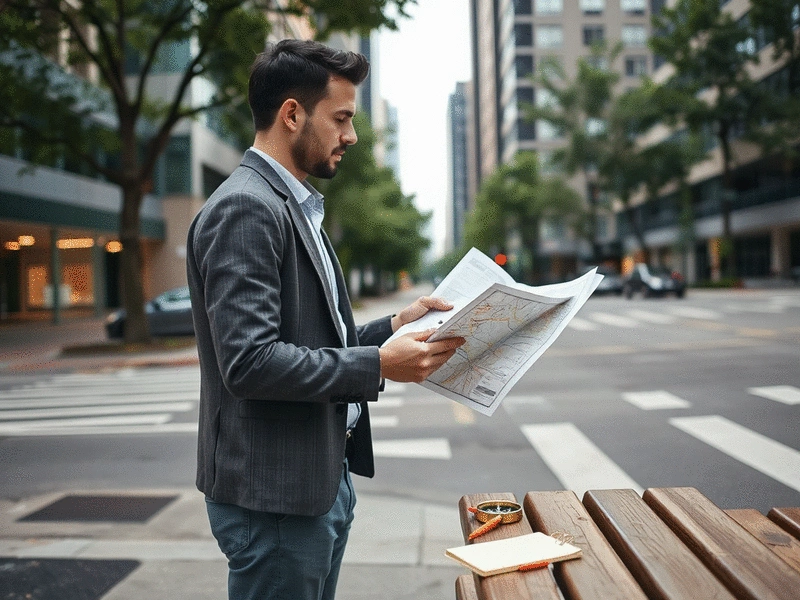
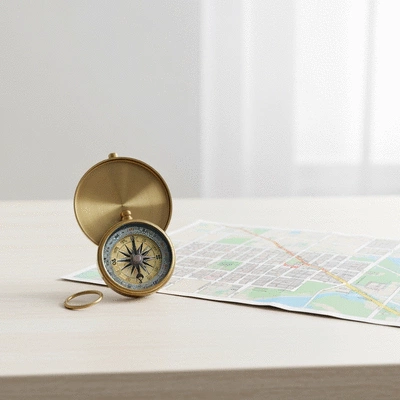
How would you navigate your city if your GPS suddenly failed? In today's digital age, many have become reliant on technology, often overlooking the importance of traditional navigation skills. Mastering these skills can empower you to navigate confidently, even in emergencies.
What You Will Learn
Urban navigation skills are crucial for safety, especially in emergencies.
Over-reliance on GPS can weaken your natural navigation abilities.
Effective map reading techniques include familiarizing yourself with symbols and orienting the map with your surroundings.
Creating a personal emergency navigation kit can significantly enhance your preparedness in urban settings.
Developing a navigation mindset involves situational awareness and practicing calmness under pressure.
Emergency Preparedness: Tools vs. Mindset
Navigating urban environments during emergencies requires both tangible tools and a strategic mindset. This visual compares the essential components of a personal emergency navigation kit with key strategies for developing a resilient navigation mindset.
Stay Calm Under Pressure (Focus on navigation tools)
Engage with Community (Discuss local safe spots)
Visualize Scenarios (Practice mental navigation)
Understanding Urban Navigation Without GPS
In today's digital world, many of us rely heavily on GPS for navigation. But have you ever thought about what would happen if your smartphone battery died, or if you found yourself in an area with no signal? Understanding urban navigation skills is crucial, especially in emergencies. Being prepared can empower you to reach safety when the unexpected happens.
As someone who has explored the intricacies of urban environments, I can tell you that honing these skills can significantly affect your ability to respond in high-pressure situations. It's not just about getting from point A to point B; it's about knowing your surroundings and being aware of potential hazards. This knowledge can make all the difference when it matters most!
The Importance of Urban Navigation Skills in Emergencies
Urban navigation skills become invaluable when emergencies strike. In chaotic situations, knowing how to navigate without relying on technology can keep you calm and focused. Here are a few reasons why these skills are essential:
Enhanced Safety: Ability to identify safe zones and navigate to them quickly.
Improved Situational Awareness: Recognizing landmarks and understanding your environment allows for better decision-making.
Increased Confidence: Mastering navigation techniques can give you a sense of control in uncertain situations.
During my research, I’ve encountered numerous stories of city dwellers who successfully navigated crises by utilizing basic navigation skills. It's a reminder that preparedness often begins with the fundamentals!
How GPS Dependency Affects Navigation Abilities
While GPS technology offers incredible convenience, over-dependence on these tools can weaken our innate navigation skills. Many individuals, even those who have lived in their cities for years, may struggle to find their way without a digital map. This reliance can lead to confusion and panic when technology fails.
It's essential to recognize the drawbacks of such dependency. Here are some common issues:
Loss of Directional Skills: Frequent reliance on GPS can lead to a decline in our natural ability to navigate.
Reduced Familiarity with Surroundings: Without actively engaging with our environment, we miss out on recognizing important landmarks.
I encourage everyone to take the time to practice traditional navigation methods. Not only does it enhance your skills, but it also builds confidence in your ability to handle unexpected situations!
Mastering Traditional Navigation Tools for City Exploration
To effectively explore urban environments, mastering traditional navigation tools is key. Understanding how to read maps, use a compass, and associate terrain with your surroundings can significantly improve your navigation skills. Let's dive into the various techniques and tools available!
For many, the thought of using a paper map might feel outdated, but it's a vital skill that can empower you to navigate without digital assistance. Think about it: a well-practiced navigator can find their way in any urban setting, all thanks to the basics!
Effective Map Reading Techniques for Urban Areas
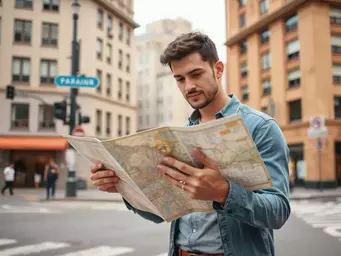
Reading a map effectively is an essential skill for urban navigation. Here are some techniques to help you tackle city maps with confidence:
Familiarize Yourself with Symbols: Understand common symbols and legends used on maps to decipher road types and landmarks.
Practice Orienting the Map: Align the map with your physical surroundings to get your bearings.
Identify Major Landmarks: Knowing where significant structures or parks are located can help guide your route.
By practicing these techniques, you’ll not only enhance your navigation skills but also gain a deeper appreciation for your city's layout!
Choosing the Right Type of Paper Map
Selecting the right paper map can make all the difference in your navigation efforts. Consider the following types:
Urban Street Maps: Ideal for detailed street-level navigation, highlighting roads, parks, and important buildings.
Topographic Maps: Great for understanding elevation changes and terrain types, especially if you plan on exploring areas outside the city.
Custom Maps: Creating a personalized map that marks your favorite routes can be a fun and useful exercise!
Having the right map at your disposal ensures that you're prepared for any urban adventure, helping you navigate with ease!
Key Elements to Identify on a City Map
When analyzing a city map, there are several key elements to keep in mind:
Street Names: Knowing the names of streets can aid in navigating and communicating your location to others.
Public Transit Routes: Familiarize yourself with bus and train lines to explore without a car.
Neighborhood Boundaries: Understanding the layout of different areas helps in locating safe zones during emergencies.
These elements will enhance your overall navigation experience and help you feel more confident while exploring!
Understanding Terrain Association in Urban Navigation
Terrain association is about relating the physical features of the environment to your map reading. This skill is crucial when navigating cities, especially if you find yourself without GPS. Recognizing how urban structures relate to one another can help you make informed decisions about your route.
Using Topographic Maps for City Exploration
Topographic maps can reveal valuable insights into the terrain of an urban setting. They can show:
Elevation Changes: This can be particularly important if you live in a hilly area.
Water Bodies: Rivers, lakes, and streams can serve as natural navigation aids.
Trails and Paths: Understanding where trails exist can provide alternative routes in emergencies.
By incorporating topographic maps into your navigation strategy, you’ll gain a unique perspective on your urban environment!
Compass Navigation Basics and Urban Applications
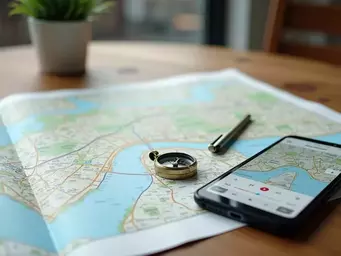
Understanding how to use a compass effectively can enhance your navigation skills significantly. It’s a timeless tool that remains relevant, even in our tech-driven world. Knowing how to read a compass can help you find your way in any situation!
Understanding Compass Parts and Functions
A compass consists of several key parts that you should understand:
The Needle: Points towards magnetic north, helping you orient yourself.
The Base Plate: This is the flat surface that holds the compass and often features a ruler for measuring distances.
The Compass Housing: Encases the needle and has directional markings.
Familiarizing yourself with these parts is essential to effectively using a compass when navigating!
How to Use a Compass in a Cityscape
Utilizing a compass in an urban environment can be surprisingly straightforward. Follow these steps to get started:
Identify Your Location: Use your map to determine where you are.
Set Your Direction: Turn the compass housing until the needle aligns with the north marking.
Follow the Direction: Move in the direction indicated by the compass to reach your destination.
Practicing these skills will help you navigate confidently, even in the midst of a bustling city!
Pro Tip
Did you know? Regularly practicing traditional navigation techniques, such as using a paper map and compass, can significantly improve your confidence and competence in urban environments. Make it a habit to explore your city by selecting a new route each week, relying solely on these tools. This not only sharpens your skills but also enhances your familiarity with local landmarks, making you better prepared for emergencies!
Preparing for Emergencies with Urban Navigation Skills
In the bustling cityscape, being prepared for emergencies is not just a precaution; it's a necessity. With my experience as an urban preparedness expert, I've seen firsthand how knowing your way around can make a huge difference when unexpected situations arise. That’s why it's essential to develop your urban navigation skills and have the right tools on hand.
This section focuses on how to set yourself up for success in navigating through emergencies effectively. By creating a personal emergency navigation kit and fostering a navigation mindset, you can empower yourself and those around you.
Creating a Personal Emergency Navigation Kit
Having a personal emergency navigation kit can be a lifesaver when technology fails. Think of this kit as your urban survival toolbox! Here's what I recommend including:
Paper Maps: Detailed city maps that highlight safe zones and evacuation routes.
Compass: A reliable compass can guide you when the GPS is out of reach.
Emergency Whistle: Useful for signaling in case you need to attract attention.
Flashlight: A compact flashlight to navigate dark areas safely.
Notebook and Pen: To jot down important information or routes as you explore.
Also, don’t forget to regularly check and update your kit! This ensures that your maps are accurate, and your equipment is in working order. Remember, staying prepared is all about being proactive!
Emergency Preparedness: Developing a Navigation Mindset
Beyond physical tools, having the right mindset is crucial when it comes to urban navigation. Developing a navigation mindset involves being aware of your surroundings and knowing how to react in various situations. Here are some strategies to cultivate that mindset:
Practice Situational Awareness: Regularly assess your environment—identify key landmarks and potential escape routes.
Stay Calm Under Pressure: Panic can cloud your judgment. Take deep breaths and focus on your navigation tools.
Engage with Your Community: Discuss local safe spots and navigation strategies with neighbors.
Visualize Potential Scenarios: Picture yourself navigating through different emergencies and how you would respond.
By fostering a proactive navigation mindset, you can improve your confidence and effectiveness when unexpected situations arise. Remember, preparedness isn’t just about having the right tools; it’s about being mentally ready to use them!
Recap of Key Points
Here is a quick recap of the important points discussed in the article:
Understanding urban navigation skills is crucial for safety during emergencies.
Over-dependence on GPS can weaken natural navigation abilities.
Mastering traditional navigation tools like maps and compasses enhances your confidence in unfamiliar situations.
Creating a personal emergency navigation kit is essential for preparedness.
Developing a navigation mindset improves situational awareness and decision-making under pressure.
Frequently Asked Questions (FAQs)
Q: Why are urban navigation skills important, even with GPS readily available?
A: Urban navigation skills are crucial because GPS can fail due to dead batteries, signal loss, or system outages during emergencies. Mastering traditional methods ensures you can navigate confidently and safely in unexpected situations.
Q: How does over-reliance on GPS affect natural navigation abilities?
A: Over-reliance on GPS can lead to a decline in natural directional skills, reduce familiarity with surroundings, and hinder your ability to adapt when technology is unavailable. This can cause confusion and panic in emergencies.
Q: What are the key items to include in a personal emergency navigation kit?
A: A personal emergency navigation kit should include detailed paper maps, a reliable compass, an emergency whistle, a flashlight, and a notebook with a pen for jotting down important information.
Q: What is a "navigation mindset" and how can I develop it?
A: A navigation mindset involves situational awareness, staying calm under pressure, engaging with your community to learn about safe spots, and visualizing potential emergency scenarios. It's about being mentally prepared to use your navigation tools effectively.
Q: How can topographic maps be useful for urban navigation?
A: Topographic maps provide valuable insights into urban terrain, showing elevation changes, water bodies (like rivers and lakes that can serve as natural guides), and existing trails or paths. This information can help you plan alternative routes and understand your environment better.
Samantha V. Rivers
As an urban preparedness expert and the voice behind "Safe Locations and Navigation," I help city residents navigate emergencies with confidence. My strategies combine practical experience with thorough research to empower individuals in identifying safe zones and mastering navigation techniques. Through Urban Safety and Navigation Solutions, I provide actionable guides on survival mapping, route planning, and real-world evacuation scenarios, fostering situational awareness and preparedness in uncertain environments.
Popular Posts
Safe Routes and Shelters Guide
In the face of unexpected events, the key to survival lies in preparedness. Imagine navigating a cit
Urban Safety and Navigation Solutions is dedicated to empowering city dwellers with the knowledge and tools needed to navigate emergencies with confidence. Our mission is to demystify urban preparedness and equip you with practical strategies for locating safe zones, mastering navigation without digital reliance, and building situational awareness that keeps you and your community secure.
Identify your local safe zones. Familiarize yourself with community centers, parks, and other secure locations that can serve as refuges during emergencies.
Master the art of mental mapping. Visualize your surroundings by noting key landmarks and potential obstacles, enhancing your ability to navigate without GPS.
Develop situational awareness. Pay attention to natural indicators like the sun's position, wind direction, and traffic flow to guide you in emergency situations.
Build a community network. Share your strategies and insights with neighbors and local prepper groups to foster a stronger, more resilient community.
Stay informed about local emergency procedures. Understand evacuation routes and shelter locations to ensure you're prepared for any scenario.
Engage in regular drills and practice sessions. This will help you and your community stay ready and confident in the face of uncertainty.