Are you prepared for the unexpected in our bustling urban environments? Understanding the essential navigation tools can be a game-changer when emergencies strike. The right maps and technology not only guide you but also empower you to make swift decisions when every second counts.
What You Will Learn
The critical role of survival maps during urban emergencies and why printed maps are still vital.
Different types of maps to include in your emergency kit: waterproof, topographic, and city-specific.
How modern navigation tools, including GPS devices and smartphone apps, can enhance your preparedness.
Key items to include in your urban survival kit for effective navigation and safety during emergencies.
The importance of ongoing education and community engagement for improving urban preparedness skills.
Comparing Survival Maps and Modern Navigation Tools
This visual highlights the key characteristics and uses of traditional survival maps versus modern digital navigation tools for urban emergencies.
Survival Maps: Reliability in Crisis
✓No Power Dependency: Functions without electricity or batteries.
✓Signal Independent: Immune to cellular or GPS signal loss.
✓Tangible & Durable: Physical format, can be waterproof.
✖Static Information: Requires manual updates, no real-time data.
Modern Navigation Tools: Real-time & Dynamic
✓Real-time Updates: Traffic, hazards, and route changes.
✓Offline Capabilities: Many apps offer downloadable maps.
✓Interactive Features: Search, points of interest, street view.
✖Power & Signal Dependent: Vulnerable to outages and connectivity issues.
Understanding the Importance of Reliable Survival Maps and Navigation Tools
In the fast-paced urban landscape, having the right navigation tools is vital for ensuring personal safety during emergencies. Whether you're facing a natural disaster or an unforeseen urban incident, the ability to navigate confidently can make all the difference. At Urban Safety and Navigation Solutions, we emphasize the importance of reliable survival maps and navigation tools to help city residents stay prepared and informed.
Understanding how to use these tools effectively not only enhances your situational awareness but also empowers you to make quick decisions in stressful environments. Let's explore how survival maps and modern navigation tools can support your emergency preparedness.
The Role of Survival Maps in Urban Emergencies
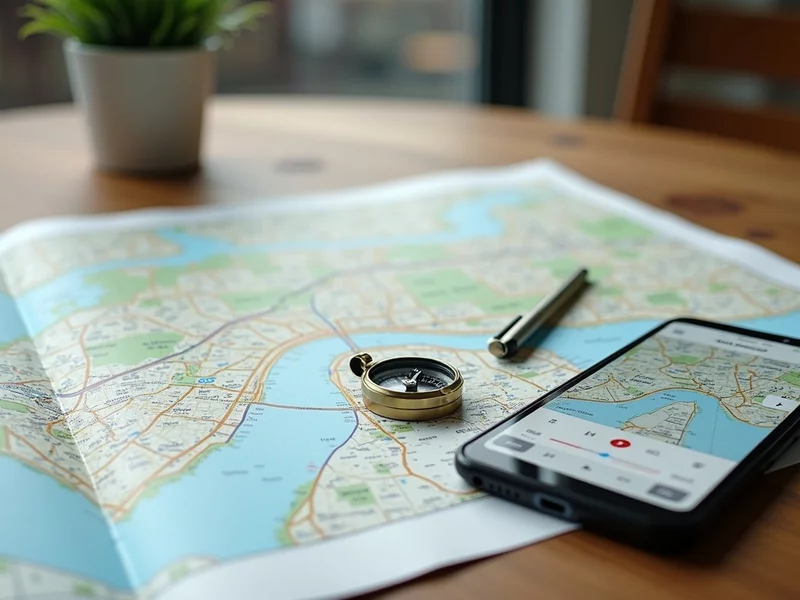
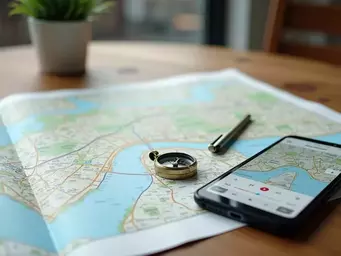
Survival maps play a crucial role in urban emergencies, offering a tangible resource when technology may fail. While digital tools are convenient, I often encourage people to consider the advantages of printed maps. They can be your lifeline when the power is out, and GPS signals are unreliable.
Paper Maps: Always have a few in your emergency kit.
Waterproof Maps: Ideal for unpredictable weather conditions.
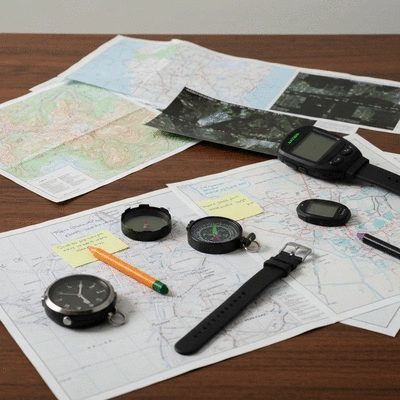
Topographic Maps: Great for understanding elevation changes in your area. For detailed topographic maps, resources like the USDA Forest Service Geodata Clearinghouse can be invaluable.
City-Specific Maps: Tailored for navigating local streets and neighborhoods.
Including these specific types of maps in your preparedness strategy means you are ready for a variety of scenarios. Each type serves its purpose, from guiding you through the city's alleyways to helping you find safe zones amidst chaos.
Why Paper Maps Remain Essential
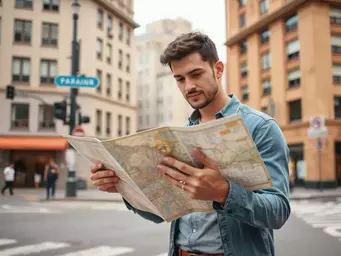
Despite the strides in technology, paper maps offer unmatched reliability during emergencies. They don’t require batteries, and you won’t face the dreaded “no signal” issue. I’ve found that being able to physically hold a map allows for a better mental connection to the route you need to take.
Moreover, paper maps can help you quickly identify nearby landmarks and open spaces, which can be crucial for meeting up with loved ones or finding shelter. Always consider keeping a few maps of your local area, as well as broader regional maps, in your emergency kit. The U.S. Geological Survey (USGS) provides a wealth of map products that can be highly beneficial for emergency planning.
Types of Maps: Waterproof, Topographic, and City-Specific
When selecting maps for your emergency toolkit, it’s essential to understand the different types available:
Waterproof Maps: These are perfect for rainy days or flood-prone areas.
Topographic Maps: Useful for understanding the terrain, especially if you need to escape to higher ground.
City-Specific Maps: These provide detailed routes and points of interest, including hospitals and shelters. For urban planning and identifying key locations, the EPA's Smart Location Mapping tool can offer insights into community structure and resources.
Choosing the right map can significantly improve your ability to navigate urban environments during a crisis, so take the time to evaluate your options!
Exploring Adventure Maps for Enhanced Urban Navigation
Adventure maps offer a unique perspective on urban navigation, highlighting hidden gems and alternative routes. They often include information on parks, community centers, and lesser-known pathways that can provide safety in emergencies. Using these maps can enrich your understanding of your surroundings.
By integrating adventure maps into your navigation strategy, you can discover new routes to safety that you might not have considered otherwise. These maps can also make urban exploration more enjoyable in everyday life, enhancing your familiarity with the city’s layout.
Exploring Modern Navigation Tools for Emergency Situations
While traditional maps are essential, modern navigation tools can complement your preparedness efforts. Technology has given us various options that can be life-saving when used thoughtfully. Let’s dive into some of these tools and their pros and cons.
GPS Devices: Convenient for real-time directions but can fail in emergencies.
Smartphone Apps: Many offer offline capabilities, making them versatile for quick navigation.
Digital Mapping Services: Platforms like Google Maps and MapQuest help plan routes effectively.
Understanding the advantages and limitations of these tools can prepare you better for emergencies where quick navigation is essential. Make sure to familiarize yourself with how to use these tools effectively before an incident occurs.
GPS Devices: Advantages and Limitations for Urban Navigation
GPS devices have revolutionized how we navigate urban environments. They provide real-time traffic updates and turn-by-turn directions, making travel easier. However, they do have limitations that you should consider. For instance, if the power goes out or you lose signal, so does your device’s effectiveness.
Always have a backup plan, like a reliable paper map, so that you can continue to navigate even if your device fails. This dual approach could be the key to staying safe!
Smartphone Apps: Offline Map Capabilities and Recommendations
Smartphones can be incredibly useful in emergencies, especially with the right apps installed. Many mapping apps allow you to download maps for offline use, which can be a lifesaver when there’s no cellular service.
Google Maps: Download areas for offline navigation.
MAPS.ME: Offers detailed offline maps and is user-friendly.
CityMaps2Go: Great for urban navigation with offline access.
Make sure to explore these options and find the apps that work best for your needs. Remember to download maps ahead of time when you know you’ll be in an area without reliable service!
Comparing Digital Mapping Services: Google Maps vs. MapQuest
Both Google Maps and MapQuest have their strengths when it comes to urban navigation. Google Maps boasts up-to-date information and features like street view and real-time traffic updates. On the other hand, MapQuest provides an easy-to-navigate interface and can still be useful for route planning.
Google Maps: Excellent for current traffic and multiple route options.
MapQuest: User-friendly for quick planning and less cluttered interfaces.
Ultimately, the choice between these services boils down to personal preference and specific needs. Knowing how to leverage both can enhance your navigation capability!
Pro Tip
Did you know? Regularly updating your survival maps and navigation tools is crucial for effective urban preparedness. Ensure your maps reflect the latest changes in your city, such as new roadways or construction areas, to avoid getting lost during an emergency. Additionally, practice navigating with both digital and paper maps in various scenarios to enhance your confidence and efficiency when it matters most!
Frequently Asked Questions About Urban Emergency Navigation
Why are printed maps still essential in urban emergencies despite modern navigation tools?
Printed maps are crucial because they do not rely on electricity, batteries, or cellular/GPS signals, which can fail during emergencies. They provide a reliable, tangible resource when technology is unavailable.
What types of maps should I include in my urban emergency kit?
You should include paper maps, waterproof maps (for unpredictable weather), topographic maps (for understanding terrain and elevation), and city-specific maps (for detailed local routes and points of interest like hospitals and shelters).
How can modern navigation tools enhance my preparedness?
Modern tools like GPS devices and smartphone apps offer real-time updates, turn-by-turn directions, and often have offline map capabilities. They can complement traditional maps by providing dynamic information and alternative routes, provided they have power and signal.
What key items should be in an urban survival kit for navigation and safety?
Your kit should include survival maps (paper and digital), navigation tools (compass, GPS), communication devices (battery-powered radio, whistle), a first aid kit, water and food supplies, flashlights, extra batteries, multi-tools, emergency blankets, and a portable phone charger.
How can I continuously improve my urban preparedness skills?
Continuously educate yourself through online courses, webinars, and local workshops on first aid and navigation. Engage with your community by joining local prepper groups, participating in safety drills, and volunteering with search and rescue teams. Also, follow urban survival guides and preparedness blogs for ongoing insights.
Preparing for Urban Emergencies: Your Next Steps
As an urban preparedness expert, I can’t stress enough how crucial it is to be ready for emergencies. Building your urban survival kit is the first step in ensuring you can navigate through unexpected situations with confidence. With the right gear, you can not only find your way to safety but also stay informed and connected during a crisis.
Let’s dive into the key aspects of preparing your survival kit and staying proactive in your urban environment!
Building Your Urban Survival Kit
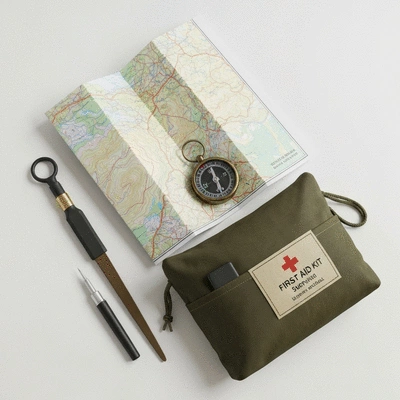
Creating a comprehensive urban survival kit involves selecting essential items that cater to your unique needs. Here are some key items to include in your kit to enhance your preparedness:
Survival Maps: Include both paper and digital maps of your city.
Navigation Tools: Don't forget a reliable compass and any other necessary gadgets.
Communication Devices: A battery-powered radio or a whistle can be lifesavers.
First Aid Kit: Always have basic medical supplies on hand.
Water and Food Supplies: Non-perishable snacks and clean water are essentials.
Each of these items plays a vital role in keeping you safe during an emergency. Be sure to regularly check your kit to replace expired items and update maps as needed!
Checking for Legal Considerations in Digital Navigation Tools
As you gather digital navigation tools for your urban survival kit, it’s important to understand the legal considerations that might come into play. Some apps and tools may have restrictions based on their usage during emergencies. Make sure to check:
Licensing agreements for digital maps.
Restrictions on usage in specific regions.
Privacy policies regarding location tracking.
By being aware of these factors, you can ensure you're using these tools responsibly while keeping your personal information secure.
Including Emergency Survival Kits and Essential Gear
In addition to your navigation tools, consider including emergency survival kits within your urban survival kit. These kits often contain essential gear that can help you in various situations. Here’s a short list of items to consider:
Flashlights and extra batteries
Multi-tools or knives
Emergency blankets or sleeping bags
Portable phone charger or power bank
Having these items ready can significantly increase your chance of staying safe and comfortable in an emergency.
Staying Informed and Ready for Any Situation
Preparedness doesn’t stop at gathering supplies. Staying informed and continually educating yourself on urban safety strategies is essential. Let’s explore some useful resources!
Resources for Ongoing Education and Skill Development
To enhance your skills, regularly engage with resources that can provide valuable knowledge. Here are a few options:
Online courses focused on urban survival skills.
Webinars hosted by emergency preparedness experts.
Local workshops on first aid and navigation.
By actively learning, you’ll feel more equipped to handle emergencies and share knowledge with others.
Engaging with the Community for Shared Knowledge and Experiences
One of the best ways to prepare is by engaging with your local community. Sharing experiences and strategies can strengthen your skills and foster a sense of camaraderie. Consider:
Joining local prepper groups or forums.
Participating in community safety drills.
Volunteering with local search and rescue teams.
These activities not only build your network but also deepen your understanding of urban preparedness.
Exploring Urban Survival Guides and Preparedness Blogs
Finally, staying connected with urban survival guides and blogs, like my own at Urban Safety and Navigation Solutions, can provide continuous insights and updates on best practices. Follow blogs that focus on urban navigation, emergency strategies, and preparedness tips to keep your knowledge fresh and actionable!
Empower Your Urban Navigation Skills Today
It's time to take action! By investing in reliable navigation tools and enhancing your preparedness skills, you can boost your confidence in urban emergencies. Remember, preparedness is not just about having the right tools; it’s also about the mindset to use them effectively.
Taking Action: Invest in Reliable Navigation Tools
Understanding the value of preparedness in urban emergencies means recognizing that every step counts. Invest in quality maps, tools, and resources that can make a difference in critical moments. Your safety is worth every effort!
Encouraging Readiness: Share Your Knowledge and Tools with Others
Don’t keep your knowledge to yourself! Engage with friends, family, and neighbors by sharing tips and tools. Conduct practice drills or organize community discussions about urban safety. The more prepared we are as a community, the safer we will all be.
Exploring Wilderness Navigation Courses for Skill Enhancement
Lastly, consider broadening your skill set beyond urban environments by exploring wilderness navigation courses. These courses can provide invaluable skills that translate well into urban settings, enhancing your overall preparedness. Who knows, you might even discover a passion for exploring the great outdoors!
Recap of Key Points
Here is a quick recap of the important points discussed in the article:
Always include reliable survival maps in your emergency kit, focusing on paper, waterproof, topographic, and city-specific maps.
Utilize modern navigation tools alongside traditional maps, ensuring you understand their pros and cons, especially in emergencies.
Stay prepared by regularly checking and updating your urban survival kit with essential items, including navigation tools and communication devices.
Engage with your community to share knowledge and strategies, enhancing collective preparedness for urban emergencies.
Continuously educate yourself on urban safety strategies through online resources and local workshops.
Samantha V. Rivers
As an urban preparedness expert and the voice behind "Safe Locations and Navigation," I help city residents navigate emergencies with confidence. My strategies combine practical experience with thorough research to empower individuals in identifying safe zones and mastering navigation techniques. Through Urban Safety and Navigation Solutions, I provide actionable guides on survival mapping, route planning, and real-world evacuation scenarios, fostering situational awareness and preparedness in uncertain environments.
Popular Posts
Safe Routes and Shelters Guide
In the face of unexpected events, the key to survival lies in preparedness. Imagine navigating a cit
Urban Safety and Navigation Solutions is dedicated to empowering city dwellers with the knowledge and tools needed to navigate emergencies with confidence. Our mission is to demystify urban preparedness and equip you with practical strategies for locating safe zones, mastering navigation without digital reliance, and building situational awareness that keeps you and your community secure.
Identify your local safe zones. Familiarize yourself with community centers, parks, and other secure locations that can serve as refuges during emergencies.
Master the art of mental mapping. Visualize your surroundings by noting key landmarks and potential obstacles, enhancing your ability to navigate without GPS.
Develop situational awareness. Pay attention to natural indicators like the sun's position, wind direction, and traffic flow to guide you in emergency situations.
Build a community network. Share your strategies and insights with neighbors and local prepper groups to foster a stronger, more resilient community.
Stay informed about local emergency procedures. Understand evacuation routes and shelter locations to ensure you're prepared for any scenario.
Engage in regular drills and practice sessions. This will help you and your community stay ready and confident in the face of uncertainty.