Essential Emergency Shelter Guide

Top-Rated Emergency Shelters in Cities: Features, Locations, and Booking Tips

Are you prepared for the unexpected? In urban environments, knowing the locations and features of emergency shelters can make a crucial difference in your safety during crises.

What You Will Learn

  • Top-rated emergency shelters are defined by their accessibility, safety standards, and core services, including food and medical care.
  • Key features of effective shelters include trained staff, emergency supplies, and community involvement to enhance the experience for occupants.
  • Geography and demographics significantly influence where shelters are located, affecting availability across urban and rural areas.
  • Establishing a plan and staying informed are vital steps for accessing emergency shelters when a crisis occurs.

Key Characteristics of Top-Rated Emergency Shelters

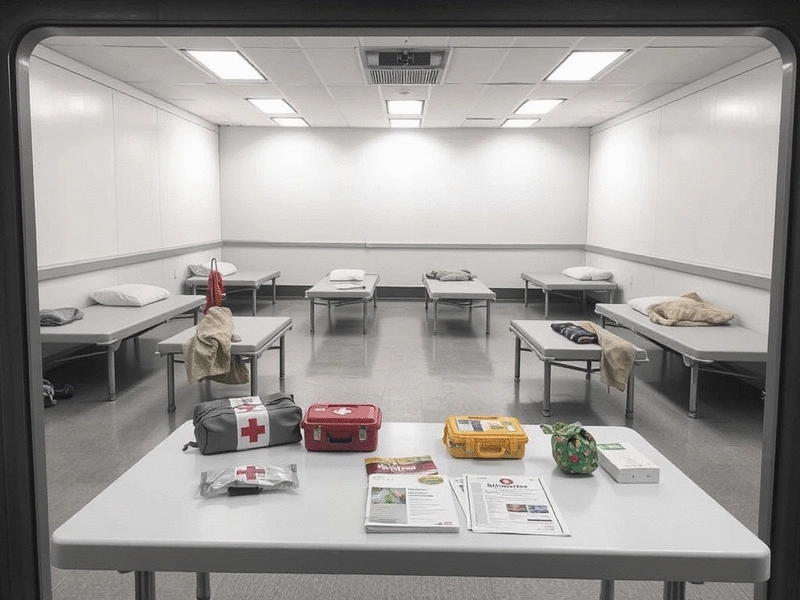
This visual highlights the essential aspects that define effective emergency shelters, focusing on their features, accessibility, and community involvement.

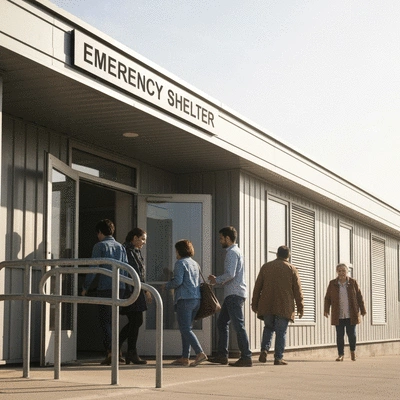
Emergency shelter exterior with people entering

Defining Features

  • Location: Urban proximity, public transport access.
  • Facilities: Clean, safe, well-maintained spaces.
  • Staff Training: Effective emergency management.
  • Resources: Food, medical, mental health services.

Quality Enhancements

  • Emergency Supplies: Blankets, food, water.
  • Security Measures: Effective protocols for safety.
  • Community Involvement: Engaging local volunteers.
  • Safety Standards: Accommodate all, including disabled.

Government & Community Role

  • Local Governments: Strategic placement & resources.
  • Emergency Services: Collaboration for response plans.
  • Community Outreach: Informing residents about resources.
  • High-Risk Area ID: Identifying areas needing shelters.

Key Path to Secure Shelter

  • Accessibility: Easy to reach in an emergency.
  • Safety Standards: Comply with local regulations.
  • Core Services: Housing, food, medical care.
  • Community Engagement: Volunteer programs.

Understanding Top-Rated Emergency Shelters in Urban Areas

When it comes to navigating emergencies in the city, knowing about top-rated emergency shelters can significantly impact your safety. These shelters are not just temporary havens; they are designed to provide critical support during some of the most challenging times. But what exactly defines a top-rated shelter? Let’s dive into the essential aspects that make a shelter stand out.

What Defines a Top-Rated Emergency Shelter?

Top-rated emergency shelters share common characteristics that enhance their effectiveness in crisis situations. To understand these, we can look at several key features that set them apart:

  • Location: Proximity to urban centers and public transport makes shelters more accessible.
  • Facilities: Clean, safe, and well-maintained spaces ensure comfort and security for occupants.
  • Staff Training: Trained personnel can effectively manage emergencies and provide necessary support.
  • Resources: Availability of food, medical assistance, and mental health services are essential components.

These features contribute significantly to the overall quality of emergency shelters. As a resident navigating the urban landscape, knowing these aspects can help you make informed decisions when seeking shelter.

Emergency shelter operations with staff and volunteers

Key Features that Enhance Shelter Quality

In addition to the general characteristics, some specific features enhance the shelter experience even further. For instance:

  • Emergency Supplies: Top shelters are equipped with basic necessities, such as blankets, food, and water.
  • Security Measures: Effective security protocols ensure the safety of everyone inside.
  • Community Involvement: Engaging local volunteers can significantly enrich the shelter environment.

These qualities not only improve the shelter's functionality but also foster a sense of community, which is vital in stressful situations. Always remember, the best shelters are those that cater to both physical and emotional needs.

Importance of Accessibility and Safety Standards

Accessibility is a crucial factor in defining a top-rated shelter. It’s essential that these facilities meet safety standards to accommodate everyone, including those with disabilities. Being able to access a safe space without barriers can be life-changing in emergencies. Furthermore, shelters that maintain strict safety protocols, such as regular fire drills and health screenings, help ensure that occupants feel secure while they wait out the storm. For a comprehensive guide on shelter operations and best practices, refer to the National Mass Care Strategy's Shelter Field Guide, which outlines critical standards for effective emergency sheltering.

Exploring the Various Locations of Emergency Shelters

Now that we understand what makes a shelter effective, let's explore where these shelters are located in urban environments. The availability of emergency shelters can vary significantly based on geographic and demographic factors.

City-Wise Overview of Emergency Shelter Locations

Each city has its unique landscape of emergency shelters. Some major urban areas have well-established networks, while others may lag behind. Here are a few key points to consider:

  • In larger cities, shelters are often concentrated near public transport hubs for easier access.
  • Smaller towns may have fewer shelters, but they often utilize community centers effectively.
  • Local government websites can provide current lists of available shelters in your area.

Knowing the locations of these shelters can save precious time during an emergency. Always keep a list handy or bookmark a local resource for quick reference!

How Geographic and Demographic Factors Influence Shelter Availability

The geography of an area significantly impacts where shelters are located. For instance, coastal cities often have shelters prepared for hurricane evacuations, while inland areas may focus on earthquakes or floods. Additionally, demographic factors, such as population density and socioeconomic status, can also influence the number and quality of available shelters. It’s essential to stay informed about how these factors shape the resources in your community. Further insights into how shelters are managed and operated can be found in the American Red Cross Sheltering Handbook, which details the complexities of shelter management.

Emergency Services and the Role of Local Government in Shelter Location

Local governments play a crucial role in ensuring that shelters are strategically placed and well-resourced. They often collaborate with emergency services to establish effective response plans. This partnership is vital for:

  • Identifying high-risk areas that require shelters.
  • Conducting community outreach to inform residents about available resources.
  • Ensuring shelters are prepared with necessary supplies and trained staff.

Engaging with local government initiatives can provide you with valuable insights into how shelters operate and how you can be better prepared for emergencies.

We Want to Hear From You!

What do you think about the importance of community involvement in emergency preparedness? Share your thoughts below:

Frequently Asked Questions About Emergency Shelters

Top-rated emergency shelters are characterized by their accessible locations (often near urban centers and public transport), clean and safe facilities, adequately trained staff, and essential resources such as food, medical assistance, and mental health services.

Key features that enhance shelter quality include emergency supplies (blankets, food, water), effective security measures, and community involvement through local volunteers. These elements improve functionality and foster a sense of community.

Geographic factors (e.g., coastal vs. inland) influence the type of emergencies shelters prepare for. Demographic factors like population density and socioeconomic status affect the number and quality of shelters available, with larger, denser populations often having more established networks.

Local governments are crucial for strategically placing and resourcing shelters. They collaborate with emergency services to identify high-risk areas, conduct community outreach, and ensure shelters are equipped with necessary supplies and trained staff.

To prepare, create an emergency plan, assemble an emergency kit with essentials, and stay informed about local alerts and updates. Research local shelters and their booking processes in advance to ensure smoother access during a crisis.

Summarizing Your Path to Secure Emergency Shelter

In urban environments, knowing how to identify and access emergency shelters is crucial for safety. In our previous sections, we examined the defining characteristics of top-rated shelters, explored their locations, and discussed essential features they provide. Now, let’s recap these critical elements to solidify your understanding and prepare you for real-world scenarios.

  • Accessibility: Ensure shelters are easy to reach during an emergency.
  • Safety Standards: Look for shelters that comply with local safety regulations. For more on global standards, refer to UNHCR's Emergency Shelter Solutions and Standards.
  • Core Services: Check if they offer housing assistance, food, and medical care.
  • Design and Community Engagement: Consider innovative designs that promote safety and comfort.
  • Volunteer Programs: Engage with shelters that rely on community involvement.

These features not only enhance the quality of shelters but also ensure that they can effectively support those in need during crises. Now that we’ve recapped, let’s move on to helpful tips for booking your accommodations.

Final Thoughts on Booking Tips for Emergency Accommodations

Booking an emergency shelter can feel overwhelming, especially if it’s your first time. I recommend familiarizing yourself with the booking process to make your experience smoother. Here are some essential tips:

  • Research Local Shelters: Know which shelters are available in your area before an emergency arises.
  • Understand the Booking Process: Different cities have varying procedures, so take the time to learn them.
  • Plan Ahead: If you know a storm or emergency is coming, try to secure your spot early.
  • Stay Informed: Follow local news for updates on shelter availability and conditions.

By keeping these tips in mind, you can navigate the process of booking shelter more confidently. Remember, preparation is key!

Taking the Next Steps Toward Assistance and Resources

Connecting with Local Support Services and Nonprofit Organizations

After securing shelter, it’s important to connect with local support services that can aid in recovery and provide ongoing assistance. Organizations such as the Red Cross, local churches, and community centers often offer additional resources for those in need. Consider reaching out to:

  • Food Banks: They provide essential nutrition during tough times.
  • Mental Health Services: Counseling and support can help you cope with stress and trauma.
  • Job Assistance Programs: These programs can help you get back on your feet after a crisis.

Engaging with these services not only helps you recover but also strengthens community ties. It’s crucial to remember that you are not alone in this journey.

Encouraging Community Involvement and Awareness

Community involvement plays a vital role in ensuring that everyone is prepared for emergencies. As the owner of Urban Safety and Navigation Solutions, I believe that fostering awareness can lead to a stronger, more resilient community. Here are a few ways to get involved:

  • Volunteer: Offer your time to local shelters and support organizations.
  • Participate in Training Sessions: Attend workshops on disaster preparedness and response.
  • Promote Awareness: Share information about available resources with your friends and family.

Your actions can inspire others to take preparedness seriously. Together, we can build a safer urban environment!

Disaster Preparedness: How to Prepare for Emergencies

Ultimately, being prepared for emergencies is about taking proactive steps. Here are some important practices to implement in your daily life:

  • Create a Plan: Outline your emergency route to shelters and identify meeting points.
  • Assemble an Emergency Kit: Pack essential supplies like water, food, and first-aid items.
  • Stay Informed: Follow local alerts and updates on weather and safety.

By taking these steps, you can ensure that you and your loved ones are ready for whatever comes your way. Remember, preparedness is empowering!

Recap of Key Points

Here is a quick recap of the important points discussed in the article:

  • Location Matters: Choose shelters that are easily accessible near urban centers and public transport.
  • Essential Facilities: Look for clean, safe spaces with necessary resources like food and medical assistance.
  • Trained Staff: Ensure the shelter has trained personnel to manage emergencies effectively.
  • Community Engagement: Support shelters that involve local volunteers to foster a sense of community.
  • Stay Informed: Keep updated with local government resources for the latest shelter information and safety protocols.
About !author

Samantha V. Rivers

As an urban preparedness expert and the voice behind "Safe Locations and Navigation," I help city residents navigate emergencies with confidence. My strategies combine practical experience with thorough research to empower individuals in identifying safe zones and mastering navigation techniques. Through Urban Safety and Navigation Solutions, I provide actionable guides on survival mapping, route planning, and real-world evacuation scenarios, fostering situational awareness and preparedness in uncertain environments.


Popular Posts

Safe Routes and Shelters Guide Where to Find Safe Routes and Emergency Shelters: A City Resident’s Guide to Crisis Navigation In the face of unexpected events, the key to survival lies in preparedness. Imagine navigating a cit
Finding Urban Survival Maps Easily Where to Buy Reliable Survival Maps and Navigation Tools for Urban Emergencies Are you prepared for the unexpected in our bustling urban environments? Understanding the essential
Create Your Urban Survival Map Step-by-Step Guide to Creating Your Own Urban Survival Map: From Landmarks to Evacuation Routes Have you ever found yourself questioning how to navigate your urban environment in times of crisis?
Urban Navigation Without GPS Guide Step-by-Step Guide to Navigating Urban Areas Without GPS During Crises When it comes to navigating through an urban crisis, your smartphone might not always be your best f