Urban Navigation Without GPS Guide
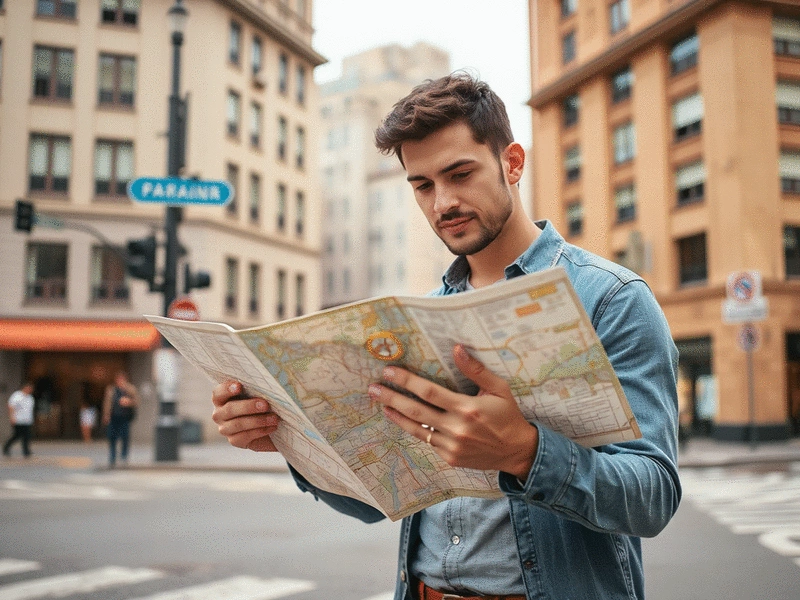
When it comes to navigating through an urban crisis, your smartphone might not always be your best friend. Consider this: how would you find your way if technology fails you? Gaining the ability to navigate without GPS can be a crucial skill for city dwellers, especially in emergencies.
What You Will Learn
- The risks of depending on GPS technology during emergencies, including potential power loss and device malfunctions.
- Common urban crises that can impact navigation, such as power outages and natural disasters.
- The importance of situational awareness and how to identify local landmarks for effective navigation.
- How to create and practice a personal escape plan tailored to your urban environment.
- A checklist for emergency navigation preparedness to ensure you are ready for any situation.
- Strategies for planning escape routes, including the use of both above-ground and underground pathways.
The Urban Navigation Imperative: Risks of GPS Dependence & Preparedness
In urban crises, GPS dependence can be a critical vulnerability. The visual below highlights the key areas where technology fails and outlines essential preparedness steps for effective navigation.
Understanding the Need for Navigation Without GPS in Urban Crises
When disaster strikes in the city, knowing how to navigate without relying on GPS can be a game changer. Picture this: you’re caught in a power outage during rush hour, and every smartphone around you is blank. Understanding the importance of navigating without GPS is vital for urban dwellers. This skill can be the difference between finding safety and becoming disoriented in a crisis.
As we dive deeper into this topic, it’s crucial to recognize the risks associated with our reliance on technology. Compact devices may fail when we need them the most, leaving us vulnerable. That’s why we must arm ourselves with the knowledge and tools to navigate the concrete jungle instinctively.
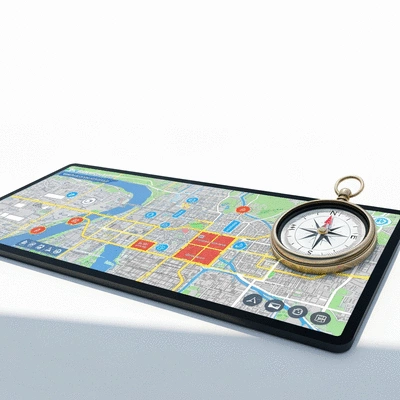
Why GPS Dependence Can Be a Risk in Emergencies
Our daily reliance on GPS technology has made us somewhat less aware of our surroundings. Think back to times when you’ve walked down the street with your head buried in your phone, following a map app. When emergencies strike, this dependence can hinder your ability to react swiftly. Without your device, you might struggle to identify key landmarks or navigate effectively. Research from institutions like EurekAlert! highlights the growing concern about over-reliance on GPS and its implications for human navigation skills.
- Loss of power or signal during crises
- Over-reliance on technology can lead to disorientation
- Potential device malfunction in stressful situations
That’s why it’s essential to cultivate traditional navigation skills. Being prepared means having a backup plan and the confidence to use it when technology fails.
Common Urban Crises and Their Impact on Navigation
Urban environments can face various crises, ranging from natural disasters like floods or earthquakes to human-made emergencies such as civil unrest. Each situation presents unique challenges for navigation. For instance, during a power outage, streetlights are non-functional, making familiar paths feel daunting. The U.S. National Aeronautics and Space Administration (NASA) has even explored alternative navigation methods to ensure resilience in critical situations, underscoring the universal need for robust navigation strategies beyond conventional GPS.
- Power outages: Lack of lighting and traffic signals
- Natural disasters: Blocked routes or inaccessible areas
- Civil disturbances: Altered city layouts and restricted access
Being aware of these scenarios helps us devise effective strategies for reaching safe zones. The more familiar you are with your environment, the more quickly you’ll adapt when faced with unexpected challenges.
Situational Awareness: Understanding Your Surroundings During a Crisis
Situational awareness is your best ally during emergencies. It involves being fully cognizant of your environment and the potential risks you may encounter. Have you ever noticed how certain landmarks stand out in your mind during stressful moments? Those can become your reference points. Studies published in ScienceDaily show how our brains adapt to new environments and the importance of spatial awareness for effective navigation.
- Identify local landmarks: Parks, schools, and hospitals
- Stay alert to changes in your environment: Sounds, movements, and patterns
- Practice mental mapping: Visualize routes and create connections
By honing your situational awareness, you enhance your chances of navigating effectively. Remember, it’s not just about having the right tools; it’s also about understanding your surroundings and how to react to them.
We Want to Hear From You!
In your experience, what has been the most effective method for navigating urban areas during a crisis? Share your thoughts below:
Preparing for Urban Navigation Challenges
When it comes to navigating urban environments, the best strategy is preparation. Having a well-thought-out plan can make all the difference when crises arise. I always emphasize to my community the importance of not just recognizing safe zones but also developing a personal escape plan tailored to your unique surroundings. This plan should consider the specific layout of your city and the potential obstacles you may face during an emergency.
Creating a personal escape plan means recognizing your main routes and alternative paths, ensuring you are never boxed in during a crisis. I've found that practicing this plan regularly with your family or friends builds confidence and familiarity in navigating your urban landscape. With preparedness, you can face challenges head-on!
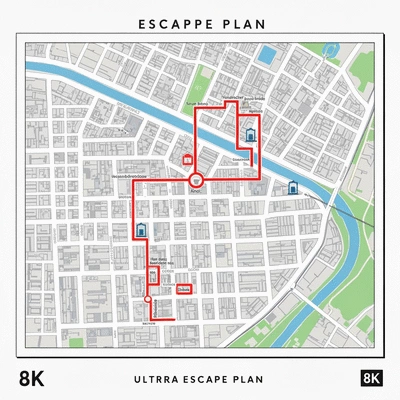
Creating a Personal Escape Plan and Practicing It
Developing an effective escape plan starts with understanding your local environment. Take time to evaluate key areas in your city, marking out safe zones and identifying potential hazards. Here are some essential steps to consider:
- Identify primary and alternate routes to your safe zones.
- Involve family members in the planning process, ensuring everyone knows the plan.
- Practice your escape routes regularly, altering them as needed based on changes in the city.
By regularly practicing your escape plan, you’ll become more adept at navigating even the most chaotic situations. Remember, familiarity breeds confidence, and that’s a powerful asset in any emergency!
Checklist for Emergency Navigation Preparedness
Being prepared means having a checklist of items and strategies ready at your fingertips. Here’s a handy checklist to help you get started on your emergency navigation preparedness:
- Paper maps of your city and surrounding areas
- Compass and basic navigation tools
- Emergency contact list with local resources
- Handwritten notes of your escape routes
- Emergency kit with essentials like water, food, and first aid supplies
Using this checklist will help ensure you’re ready for any eventuality. When you have everything organized, it's easier to focus on the task at hand—reaching safety!
Identifying Escape Routes: Planning for Safety in Crisis Situations
As part of your navigation preparation, take time to identify potential escape routes. Not all paths are created equal, especially in an urban environment where traffic and crowd dynamics can change rapidly. Here are some strategies to help you plan effectively:
- Familiarize yourself with multiple routes from your location to safe zones.
- Consider both above-ground and underground pathways, such as subways or pedestrian tunnels, which may provide quicker access during emergencies.
- Observe the layout of streets, parks, and buildings to identify landmarks that can help guide your way.
Understanding these escape routes is crucial. With practice and awareness, you’ll be better equipped to navigate through any crisis, confidently leading yourself and others to safety.
Frequently Asked Questions (FAQs)
- Q: Why is GPS dependence a risk in urban emergencies?
- A: GPS dependence is risky because emergencies can lead to a loss of power or signal, device malfunction, and over-reliance, which can cause disorientation and a lack of situational awareness when technology fails.
- Q: What are common urban crises that impact navigation?
- A: Common urban crises include power outages (affecting lighting and traffic signals), natural disasters (causing blocked routes), and civil disturbances (altering city layouts and restricting access).
- Q: How can situational awareness help in urban navigation during a crisis?
- A: Situational awareness helps by encouraging you to identify local landmarks, stay alert to environmental changes (sounds, movements), and practice mental mapping to visualize routes, thereby improving your ability to navigate without technology.
- Q: What should a personal escape plan include?
- A: A personal escape plan should include identifying primary and alternate routes to safe zones, involving family members in the planning, and regularly practicing these routes, adapting them as city conditions change.
- Q: What items are essential for emergency navigation preparedness?
- A: Essential items for emergency navigation preparedness include paper maps, a compass, an emergency contact list, handwritten notes of escape routes, and an emergency kit with basic supplies like water, food, and first aid.
Recap of Key Points
Here is a quick recap of the important points discussed in the article:
- Understanding the importance of navigating without GPS can be vital in urban crises.
- Situational awareness and recognition of key landmarks can enhance navigation during emergencies.
- Creating a personal escape plan with clearly identified routes to safety is essential.
- Regularly practicing escape routes increases confidence and preparedness in crisis situations.
- Having a checklist of essential navigation tools can help ensure readiness for unexpected events.

Samantha V. Rivers
As an urban preparedness expert and the voice behind "Safe Locations and Navigation," I help city residents navigate emergencies with confidence. My strategies combine practical experience with thorough research to empower individuals in identifying safe zones and mastering navigation techniques. Through Urban Safety and Navigation Solutions, I provide actionable guides on survival mapping, route planning, and real-world evacuation scenarios, fostering situational awareness and preparedness in uncertain environments.
Popular Posts
Safe Routes and Shelters Guide
![Where to Find Safe Routes and Emergency Shelters: A City Resident’s Guide to Crisis Navigation]() In the face of unexpected events, the key to survival lies in preparedness. Imagine navigating a cit
In the face of unexpected events, the key to survival lies in preparedness. Imagine navigating a cit
 In the face of unexpected events, the key to survival lies in preparedness. Imagine navigating a cit
Finding Urban Survival Maps Easily
![Where to Buy Reliable Survival Maps and Navigation Tools for Urban Emergencies]() Are you prepared for the unexpected in our bustling urban environments? Understanding the essential
Are you prepared for the unexpected in our bustling urban environments? Understanding the essential
 Are you prepared for the unexpected in our bustling urban environments? Understanding the essential
Create Your Urban Survival Map
![Step-by-Step Guide to Creating Your Own Urban Survival Map: From Landmarks to Evacuation Routes]() Have you ever found yourself questioning how to navigate your urban environment in times of crisis?
Have you ever found yourself questioning how to navigate your urban environment in times of crisis?
 Have you ever found yourself questioning how to navigate your urban environment in times of crisis?
Urban Navigation Without GPS Guide
![Step-by-Step Guide to Navigating Urban Areas Without GPS During Crises]() When it comes to navigating through an urban crisis, your smartphone might not always be your best f
When it comes to navigating through an urban crisis, your smartphone might not always be your best f
 When it comes to navigating through an urban crisis, your smartphone might not always be your best f
