In the face of unexpected events, the key to survival lies in preparedness. Imagine navigating a city where chaos reigns, armed only with knowledge and a solid plan. Are you equipped to respond effectively to emergencies? This guide offers crucial insights into urban emergency preparedness that every city dweller should know.
What You Will Learn
The significance of situational awareness in ensuring personal safety during crises.
Common types of emergencies that urban residents should be prepared to face, including natural disasters and public safety threats.
The vital role of emergency management agencies in providing education and resources for effective crisis response.
Steps to create a comprehensive reunification plan to stay connected with loved ones post-emergency.
The importance of mental health support and resources available after experiencing a crisis.
How to collaborate with community recovery efforts and crisis response teams for a more resilient urban environment.
Ongoing strategies for staying informed about emergency preparedness in your area.
Ways to engage your community in building a culture of preparedness and safety.
Key Aspects of Urban Emergency Preparedness
Understanding what to prepare for, how agencies support, and how to recover is crucial for urban residents.
Types of Urban Emergencies
★ Natural Disasters (Earthquakes, Floods)
★ Public Safety Threats
★ Utility Failures (Power, Water)
★ Health Emergencies (Pandemics)
Agency Support in Preparedness
● Public Education (Workshops)
● Resource Distribution (Kits, Shelters)
● Crisis Communication (Updates)
● Community Engagement
Post-Emergency Navigation
■ Reunification Plan (Meeting Points)
■ Mental Health Support (Counseling)
■ Crisis Response Teams (Recovery)
■ Community Meetings
Staying Prepared Continuously
✓ Local Alert Systems
✓ Community Workshops
✓ Social Media Updates
✓ Support Networks
Understanding the Importance of Emergency Preparedness in Urban Areas
In a bustling city, the unexpected can happen at any moment. That's why understanding the importance of emergency preparedness is vital for urban residents. Whether it's a natural disaster, a power outage, or a public safety crisis, knowing how to respond can make all the difference in ensuring your safety and the safety of those around you. At Urban Safety and Navigation Solutions, we believe that equipping individuals with the right tools and knowledge empowers them to navigate through emergencies effectively.
Being prepared doesn't just mean having supplies on hand; it involves knowing your surroundings and understanding the resources available to you. The more informed you are about your environment, the better equipped you will be to handle any situation that arises. Let's dive into the key aspects of urban emergency preparedness!
The Role of Safety in Crisis Navigation
When a crisis strikes, your ability to stay calm and focused is crucial. The role of safety in navigating through emergencies cannot be overstated. It’s about having a plan, knowing where to go, and understanding what resources are at your disposal. Here are a few essential components to consider:
Situational Awareness: Always stay alert to your surroundings and the dynamics of your environment.
Emergency Plans: Have a strategy in place for different types of emergencies.
Communication: Establish a communication plan with family and friends before an emergency occurs.
These components are critical for ensuring that you can react quickly and efficiently. Remember, your safety is not just your responsibility; it’s a community effort. By sharing information and strategies, we can create a safer urban environment together!
Types of Emergencies: What City Residents Should Prepare For
Urban areas face unique challenges during emergencies, and understanding the types of incidents that can occur is the first step towards preparedness. Here’s a quick list of the most common emergencies city residents should be ready for:
Natural Disasters: Earthquakes, floods, and hurricanes
Public Safety Threats: Active shooter situations or terrorist attacks
Utility Failures: Power outages and water supply disruptions
Health Emergencies: Pandemics and public health alerts
By recognizing these potential emergencies, you can develop targeted strategies for each scenario. This awareness helps to ensure that you are not only prepared but also capable of assisting others in your community during difficult times.
How Emergency Management Agencies Support Urban Preparedness
Emergency management agencies play a vital role in bolstering urban preparedness. They provide resources, training, and support to help residents navigate crises effectively. Here are a few ways they contribute:
Public Education: Hosting workshops and seminars on emergency preparedness.
Resource Distribution: Providing access to emergency kits and shelters. For example, the National Mass Care Strategy provides a valuable Shelter Field Guide to assist in setting up safe havens during crises.
Crisis Communication: Offering updates during emergencies via official channels.
These agencies are invaluable allies in the quest for safety. By staying engaged with their initiatives and resources, you can enhance your preparedness and contribute to a more resilient community.
Pro Tip
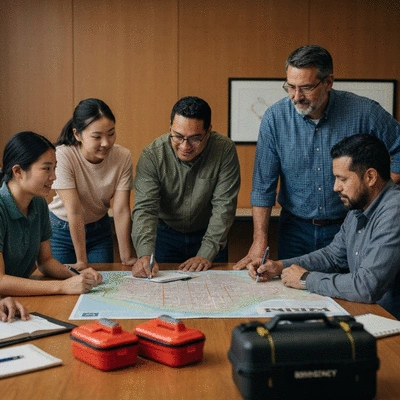
Did you know that creating a community preparedness group can significantly enhance your emergency readiness? By organizing regular meetings with neighbors to discuss safety plans, share resources, and conduct practice drills, you foster a supportive network that can respond effectively during a crisis. Remember, collaboration is key to resilience!
Post-Emergency Steps: Navigating After a Crisis
Once the immediate chaos of an emergency subsides, it's vital to shift focus toward recovery and reunification. How do you reconnect with your loved ones in the aftermath? Crafting a comprehensive reunification plan is essential for ensuring everyone knows where to meet and how to communicate.
Consider including these elements in your plan:
Designate a safe meeting location outside your neighborhood.
Share contact information with family members, including phone numbers and email addresses.
Set up a group chat or use social media for instant updates.
Encourage everyone to carry a copy of the plan in their wallet or purse.
Having a clear plan helps alleviate anxiety and enhances your family’s sense of security during stressful times.
Recovery Resources: Accessing Mental Health Support After an Emergency
Emergencies can leave lasting scars, and it’s crucial to recognize the need for mental health support. Many individuals experience trauma, anxiety, and emotional distress after such incidents. I always encourage reaching out to local mental health resources for professional assistance. Remember, seeking help is a sign of strength!
Here’s a list of resources you might consider:
Local mental health clinics offering counseling services.
Crisis hotlines available 24/7 for immediate support.
Community workshops focusing on stress management and recovery.
Support groups for those dealing with similar experiences.
Don’t hesitate to explore these options and encourage others to do the same. Mental wellness is just as important as physical safety!
Working with Crisis Response Teams for Community Recovery
In the wake of a disaster, crisis response teams play a crucial role in community recovery. These professionals are dedicated to assessing damage, providing resources, and ensuring that everyone has access to what they need to rebuild. Participating in community meetings to hear updates from these teams can be incredibly beneficial.
Here’s how you can engage:
Attend local town hall meetings to understand recovery efforts.
Volunteer with organizations like the Red Cross to assist those impacted.
Share recovery resources in your neighborhood, fostering a sense of unity.
By collaborating with crisis response teams, we can strengthen our communities and ensure a smoother recovery process. Remember, together, we are more resilient!
Staying prepared doesn’t end after an emergency; it’s an ongoing process that requires community involvement. I believe that being informed is the first step in building a resilient urban community. How can you stay connected with resources and updates available in your city?
Here are some strategies that can help:
Sign up for local emergency alert systems to receive real-time updates.
Follow city agencies and emergency management on social media for the latest information.
By actively participating in these initiatives, you empower yourself and your community!
Your Role in Emergency Preparedness: Building a Resilient Community
As urban residents, we each play a vital role in fostering a culture of preparedness. It starts with understanding the risks in our environment and how to mitigate them. I often share with neighbors that creating a support network can be a game-changer during emergencies.
Consider these steps to engage others in preparedness:
Organize neighborhood meetings to discuss local safety plans.
Start a community group focused on emergency training and drills.
Share personal preparedness stories to inspire others.
When we come together, we can create a network of safety and readiness!
Utilizing Local News Outlets and Social Services for Information
In times of crisis, reliable information becomes a lifeline. Local news outlets and social services provide timely updates about ongoing emergencies and available resources. I recommend identifying trustworthy sources ahead of time so you know where to turn in times of need.
Key resources include:
Local television and radio stations for live updates.
City government websites for official announcements and resources.
Social media pages of local organizations for community alerts.
Being informed is not just about safety; it can help you make better decisions during a crisis and guide others in the community!
Frequently Asked Questions About Urban Emergency Preparedness
What is situational awareness and why is it important in an emergency?
Situational awareness is the ability to identify, process, and comprehend the critical elements of information about what is happening around you. It's crucial in an emergency because it allows you to make quick, informed decisions to ensure your personal safety and the safety of others.
What are the most common types of emergencies urban residents should prepare for?
Urban residents should prepare for natural disasters (like earthquakes, floods, hurricanes), public safety threats (such as active shooter situations or terrorist attacks), utility failures (power outages, water supply disruptions), and health emergencies (pandemics, public health alerts).
How do emergency management agencies help with urban preparedness?
Emergency management agencies support urban preparedness through public education (workshops), resource distribution (emergency kits, shelters), and crisis communication (providing updates via official channels).
What should a comprehensive reunification plan include?
A comprehensive reunification plan should include designated safe meeting locations, shared contact information for family members, a communication method (like a group chat), and encouraging everyone to carry a copy of the plan.
Where can I find mental health support after an emergency?
You can find mental health support through local mental health clinics, 24/7 crisis hotlines, community workshops focused on stress management and recovery, and support groups for those with similar experiences.
How can I stay informed about emergency preparedness in my area?
To stay informed, you can sign up for local emergency alert systems, engage with community preparedness workshops, and follow city agencies and emergency management on social media.
Recap of Key Points
Here is a quick recap of the important points discussed in the article:
Situational Awareness: Stay alert to your surroundings and understand your environment.
Emergency Plans: Develop strategies for various types of emergencies, including natural disasters and public safety threats.
Communication: Establish a communication plan with loved ones before an emergency occurs.
Community Engagement: Collaborate with local emergency management agencies and participate in community preparedness initiatives.
Recovery Planning: Create a reunification plan to reconnect with family after a crisis.
Mental Health Support: Seek mental health resources and support groups post-emergency.
Continuous Learning: Stay informed through local emergency alert systems and workshops.
Samantha V. Rivers
As an urban preparedness expert and the voice behind "Safe Locations and Navigation," I help city residents navigate emergencies with confidence. My strategies combine practical experience with thorough research to empower individuals in identifying safe zones and mastering navigation techniques. Through Urban Safety and Navigation Solutions, I provide actionable guides on survival mapping, route planning, and real-world evacuation scenarios, fostering situational awareness and preparedness in uncertain environments.
Popular Posts
Safe Routes and Shelters Guide
In the face of unexpected events, the key to survival lies in preparedness. Imagine navigating a cit
Urban Safety and Navigation Solutions is dedicated to empowering city dwellers with the knowledge and tools needed to navigate emergencies with confidence. Our mission is to demystify urban preparedness and equip you with practical strategies for locating safe zones, mastering navigation without digital reliance, and building situational awareness that keeps you and your community secure.
Identify your local safe zones. Familiarize yourself with community centers, parks, and other secure locations that can serve as refuges during emergencies.
Master the art of mental mapping. Visualize your surroundings by noting key landmarks and potential obstacles, enhancing your ability to navigate without GPS.
Develop situational awareness. Pay attention to natural indicators like the sun's position, wind direction, and traffic flow to guide you in emergency situations.
Build a community network. Share your strategies and insights with neighbors and local prepper groups to foster a stronger, more resilient community.
Stay informed about local emergency procedures. Understand evacuation routes and shelter locations to ensure you're prepared for any scenario.
Engage in regular drills and practice sessions. This will help you and your community stay ready and confident in the face of uncertainty.